Why Render Cracks on New Homes and How to Prevent It
Cracked render is one of the most common complaints on new homes. It is also one of the most avoidable. Most cracks have a clear cause, and most causes can be dealt with before the render goes on.
Here are the ones we see most often, and how to stop them.
Movement the render cannot follow
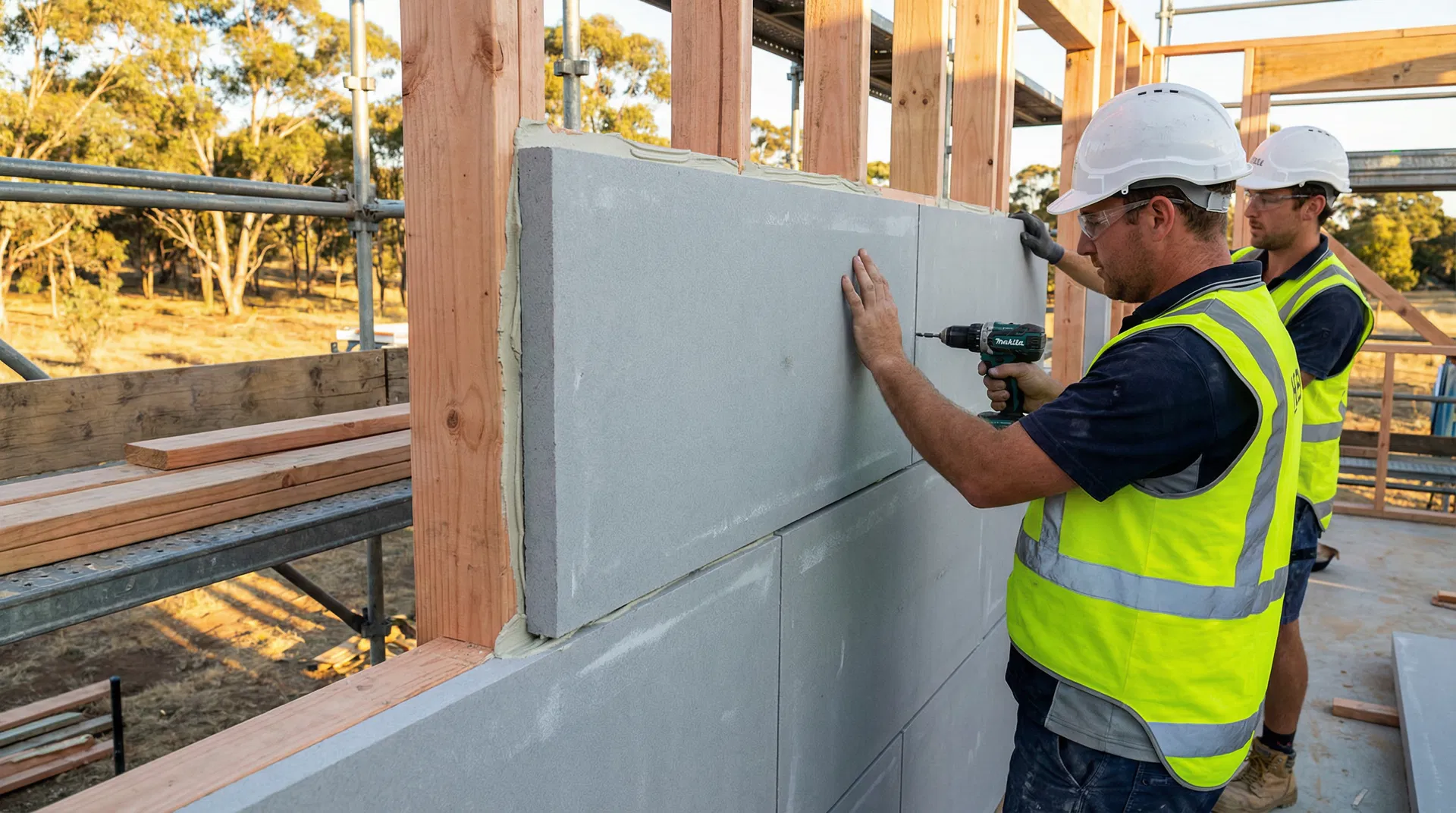
Buildings move. Frames shrink as timber dries, slabs settle and materials expand and contract with heat. Render is a thin, fairly rigid skin. If the wall behind it moves in a way the render cannot follow, it cracks.
The fix is to give that movement somewhere to go.
Missing or rendered over control joints
Control joints break a long wall into sections that can move independently. When they are left out, or rendered straight over, cracks appear along the lines the joints should have been.
Joint positions should be on the drawings. They should follow the substrate manufacturer's guidance and line up through the render system. We check joints are in place before any coating starts.
Stress at openings
Corners of windows and doors concentrate stress. Diagonal cracks running out from a window corner are a classic sign. Extra reinforcement at openings, installed as the system documentation requires, helps prevent them.
Rushed curing
Every coat needs time before the next goes on. Render applied over a base coat that has not cured can crack or lose adhesion. The data sheet for each product sets the minimum time, and it depends on the weather.
Programme pressure is the usual reason this gets skipped. It is one of the most expensive shortcuts on a job.
Coats applied too thick or too thin
A coat that is too thick can shrink and crack as it dries. A coat that is too thin may not cover the mesh or bridge small movement. Correct thickness comes from the system documentation and good crew technique.
Weather on the day
Hot walls, strong wind and direct sun dry render too fast. Rain can wash out fresh work. In South East Queensland summers, we plan elevations around the sun and stop when conditions are wrong.
When cracks appear anyway
Not every crack means the render has failed. Fine surface cracks can show up as a new building settles. Wider cracks, cracks that grow, or cracks that follow a clear line through the wall need a proper look at the cause.
Photograph the crack with a tape measure beside it and note the date. Take another photo a few weeks later. That record shows whether the crack is still moving. Fix the cause first, or the repair will crack again.
A prevention checklist
- Control joints shown on the drawings and installed
- Frames and substrates checked before coating starts
- Reinforcement at openings and corners
- Curing times from the data sheets followed
- Weather checked each day before work
For a new build, get these right and cracking becomes rare. Read more on our acrylic render page.
Send the drawings through our project portal or call 0452 295 212, and we will price the job.