Render Defects: How Volume Builders Can Avoid the Most Expensive Callbacks
The Real Cost of a Render Defect
A render defect on a completed house isn't just a repair cost. It's the supervisor's time to inspect and document it. It's the delay to the client's settlement. It's the conversation with the client who's already frustrated. And if the defect is systemic, affecting multiple lots across a development, it's a programme-level problem.
The most expensive render defects aren't the ones that appear immediately. They're the ones that appear two years after handover, when the builder is still within their statutory warranty period and the renderer has moved on.
Understanding the common causes of render defects, and how a quality renderer prevents them, is worth the time.
The Most Common Render Defects in Queensland
Cracking
Cracking is the most common render complaint. It ranges from hairline surface cracking (usually cosmetic) to structural cracking that allows moisture ingress. The causes include:
- Incorrect product specification for the substrate
- Insufficient curing time between coats
- Application in extreme heat without appropriate protection
- Inadequate control joints at movement points
- Substrate movement before render has cured
A quality renderer specifies the right product for the substrate, applies in appropriate conditions, and installs control joints at the locations specified by the system manufacturer.
Delamination
Delamination, where the render separates from the substrate, is a serious defect. It's almost always caused by inadequate substrate preparation: dust, contamination, or a substrate that wasn't primed correctly.
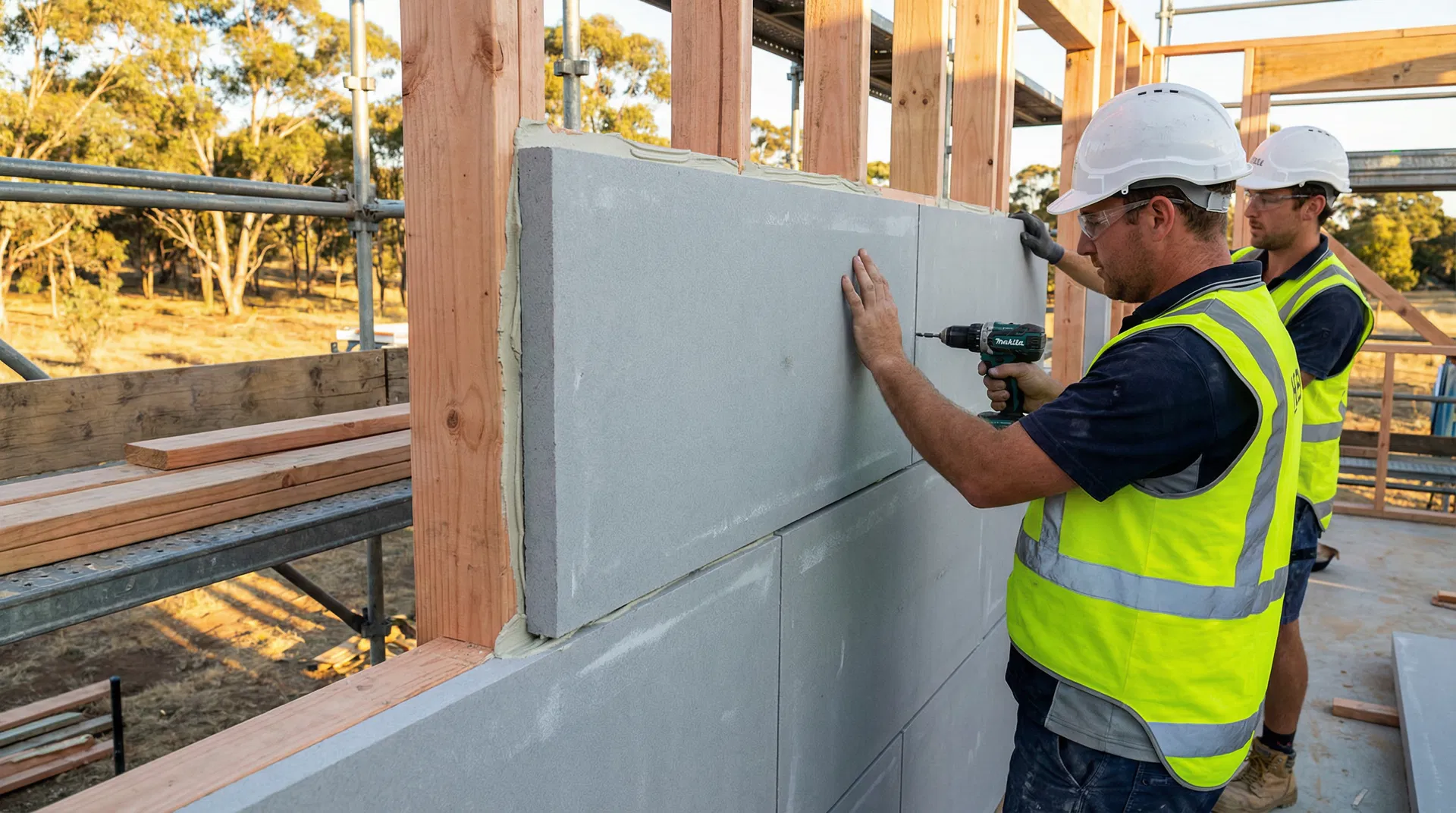
On Hebel and EPS substrates, the primer specification is critical. The wrong primer, or no primer, will result in delamination. Render King uses Dulux Acratex-specified primers for every substrate type, applied to the manufacturer's specification.
Texture inconsistency
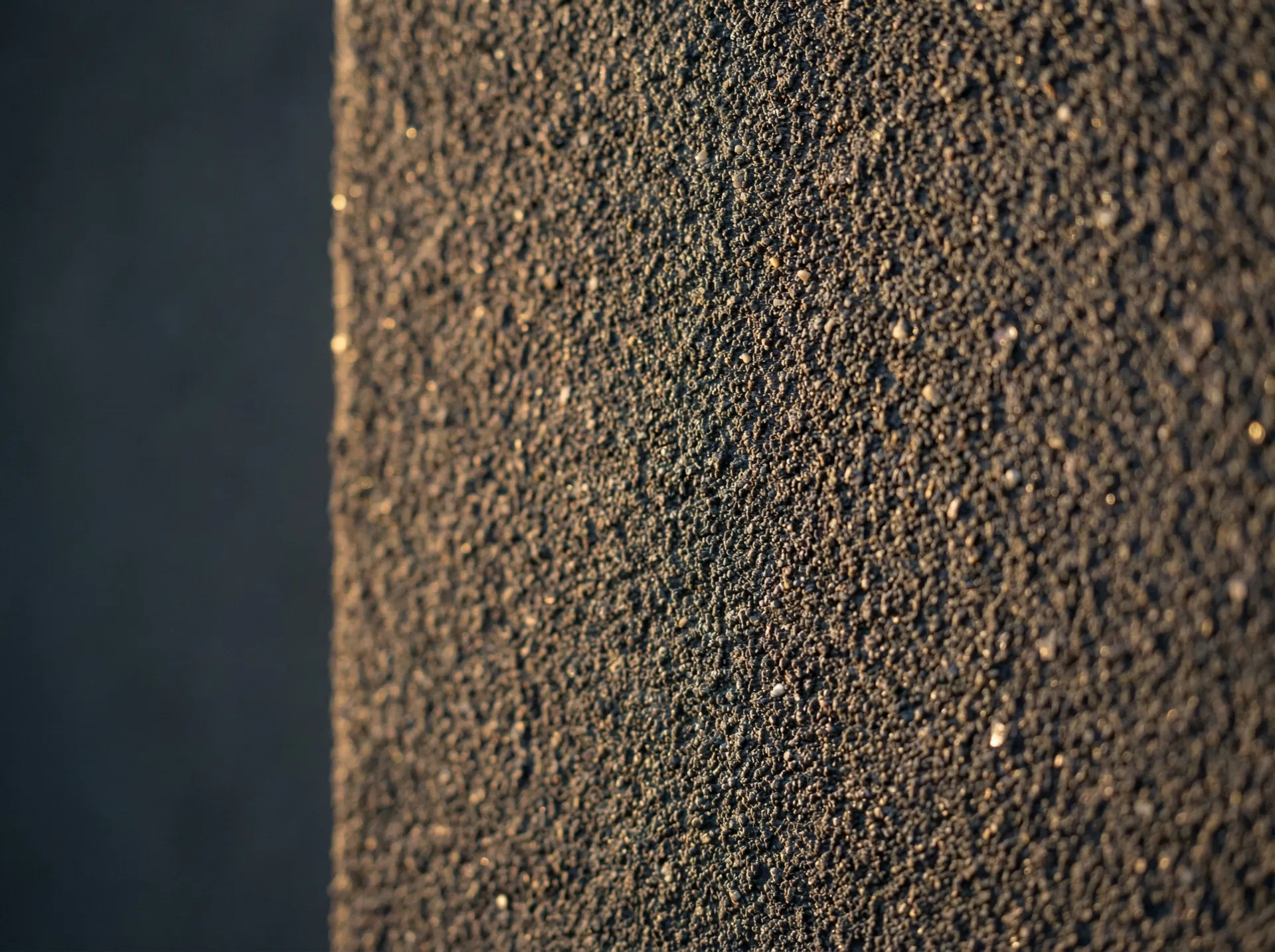
On a volume programme, texture inconsistency between lots is a common complaint. It's caused by variation in product mixing, application technique, or tool selection between crews or between visits.
Render King uses factory-manufactured texture coats applied by trained crews using consistent technique. Our quality system includes site inspections to verify texture consistency before the job is signed off.
Colour variation
Colour variation, particularly on large facades, can be caused by variation in batch numbers, application thickness, or substrate moisture content. On a volume programme, this is managed by ordering sufficient product from a single batch for each development, and by applying to a consistent dry film thickness.
Moisture ingress at penetrations
Windows, doors, and service penetrations are the most common entry points for moisture behind render. Correct flashing and sealant installation at these points is the renderer's responsibility. A quality renderer treats penetrations as a critical detail, not an afterthought.
How Render King Manages Quality
Render King's quality system is built around three principles: right product, right process, right people.
Right product: We specify Dulux Acratex systems for every job, matched to the substrate and the finish specification. We don't substitute products to save cost.
Right process: Our crews follow documented application procedures. Control joints are installed at specified locations. Curing times are observed. Penetrations are treated to specification.
Right people: Our crews are trained in the systems they apply. New crew members work alongside experienced applicators before working independently.
The result is a defect rate that's significantly lower than the industry average, and a warranty that means something when a defect does occur.