Choosing a Render Texture for a New Home
The texture of a render finish changes how a home looks more than most people expect. The same colour can look soft and modern on one texture and rough and rustic on another.
Choosing the texture early, and seeing it on a real sample, avoids surprises at handover.
The common texture options
Acrylic texture coats come in a range of finishes. On most homes we apply one of these:
- Fine sand finish, which gives a smooth, even look
- Medium sand finish, which shows a little more grain
- Rough cast or coarse finish, which gives a heavier, more textured surface
Manufacturers use their own names for each texture. The product name on the schedule is what defines the finish, so write it down rather than describing it loosely.
How texture affects the finished look
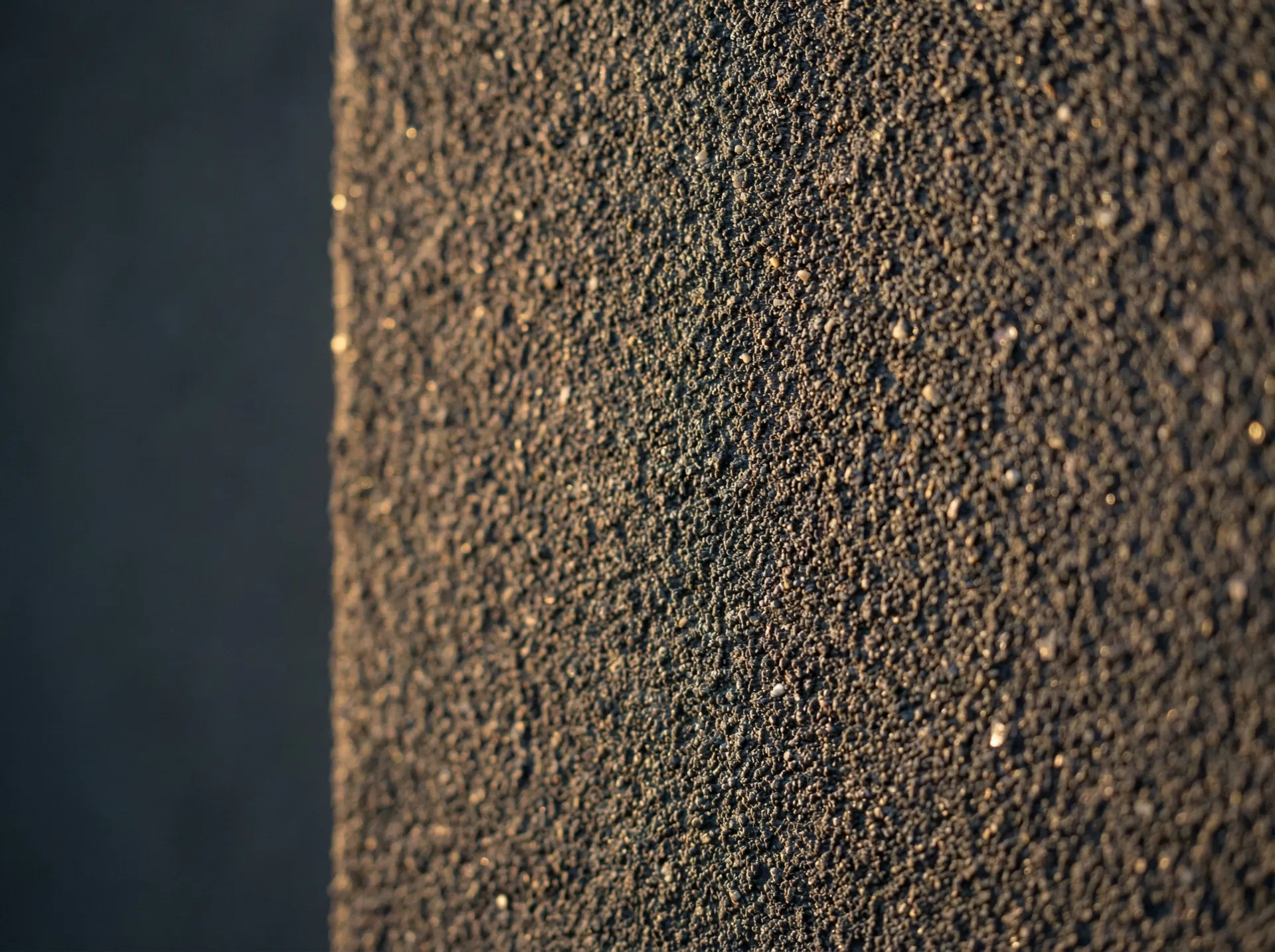
Texture changes how light hits the wall. A fine finish reflects light evenly, so the colour looks flatter and cleaner. A coarse finish creates tiny shadows, so the same colour can look darker and warmer.
This matters most on long walls in direct sun. Ask to see the sample outside, in the light the house will actually get.
Texture and imperfections
A fine texture shows more of what is underneath. Uneven substrates, joint lines and patches are easier to see. A coarser texture is more forgiving.
That does not mean a coarse texture hides poor work. It means a fine finish needs a very flat, well prepared substrate to look right.
Texture on different substrates
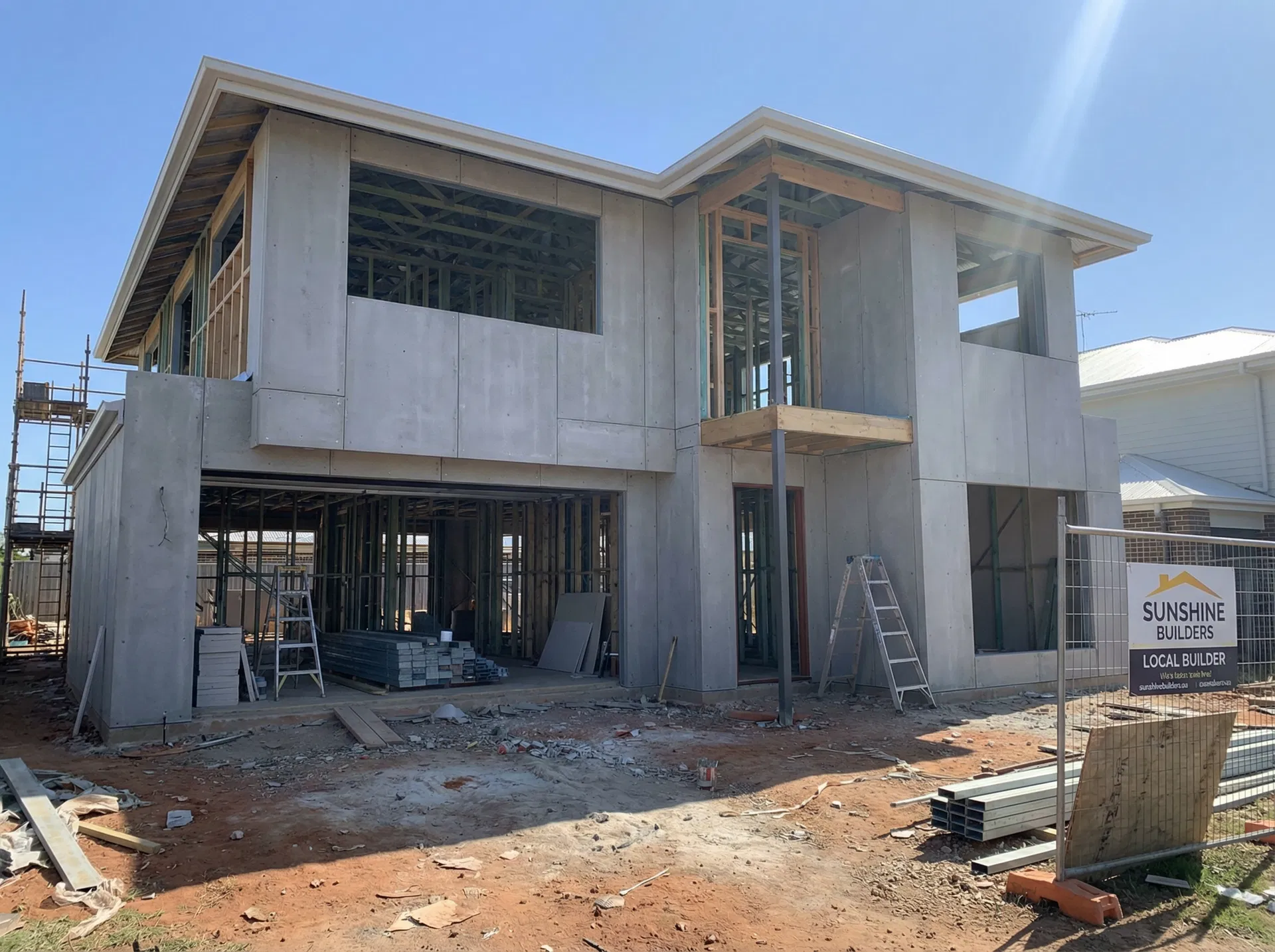
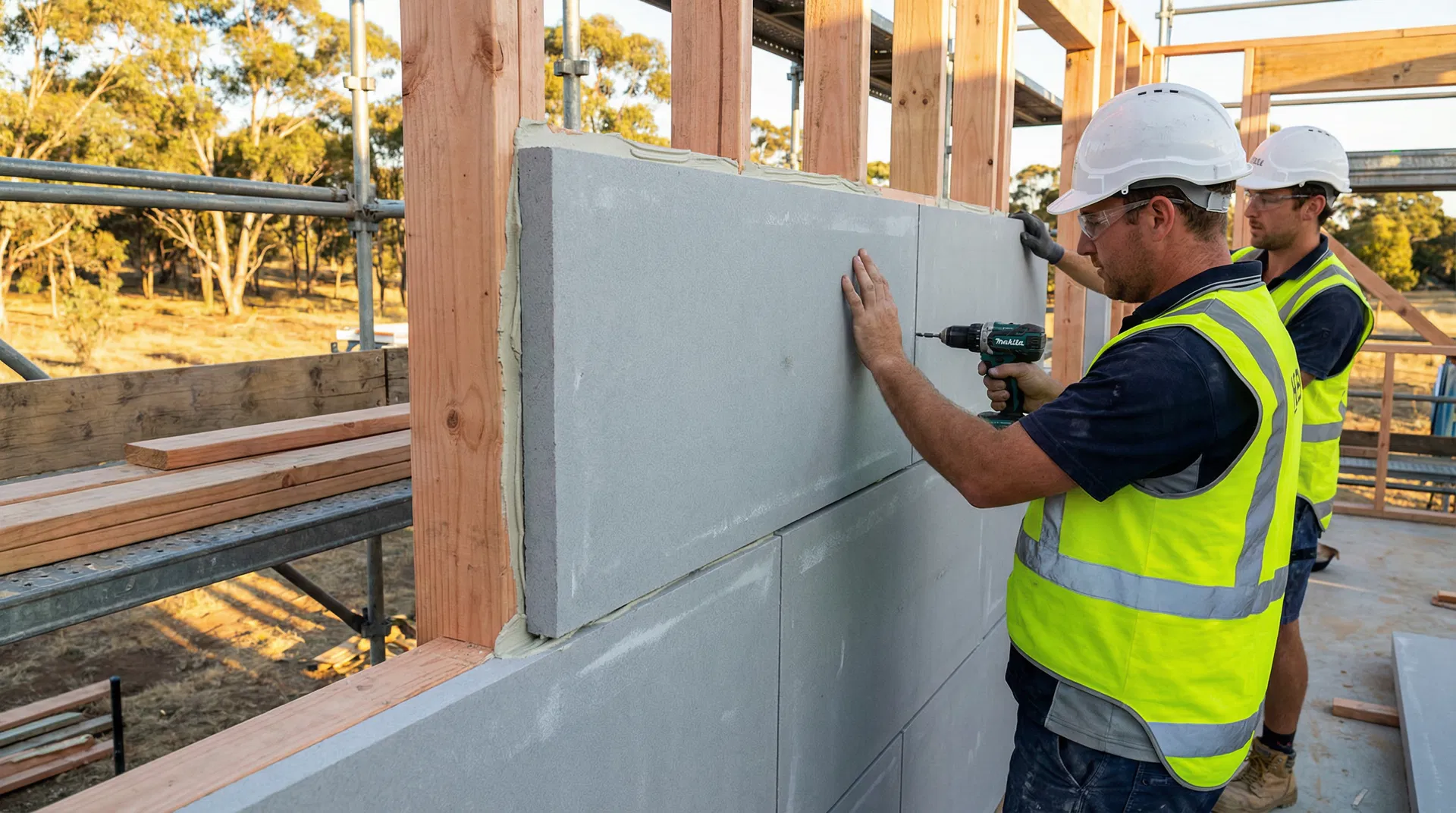
The substrate changes how a texture looks. Over fibre cement sheet or Hebel, joints need to be set flush so they do not show through a fine finish. Over brick, the mortar joints can show through a thin coat unless the wall is levelled first. EPS panels give a flat base, but panel joints still need care.
Tell your renderer which substrate each wall uses before you choose the texture. They can say whether the texture you like suits that wall, or whether extra preparation is needed to get the look you want.
Keeping the finish consistent
On an estate, buyers compare houses side by side. Consistent texture comes from a few simple habits:
- Use the same product and texture on every lot
- Keep material from the same batch on each elevation where possible
- Use the same crew technique across the job
- Finish each wall in one go rather than stopping mid-panel
Breaks in the middle of a wall are one of the most common causes of visible patches.
Cleaning and maintenance
Coarse textures hold more dust and can mark more easily in some settings. Fine textures are easier to wash down. On shaded walls that get damp, owners should be told how to clean the finish gently.
Making the choice
Bring the texture and colour decision forward. We can prepare a sample board so the builder and client sign off the same finish. Then the texture goes on the schedule by product name. Read more on our acrylic render page.
Send the drawings through our project portal or call 0452 295 212, and we will price the job.