EPS, Hebel or Acrylic Render: Choosing a Wall System
EPS cladding, Hebel panels and acrylic render often get compared as if they do the same job. They do not. Two of them are wall systems, and one is a finish that goes over a substrate.
Getting that clear makes the choice much easier.
Acrylic render is a finish
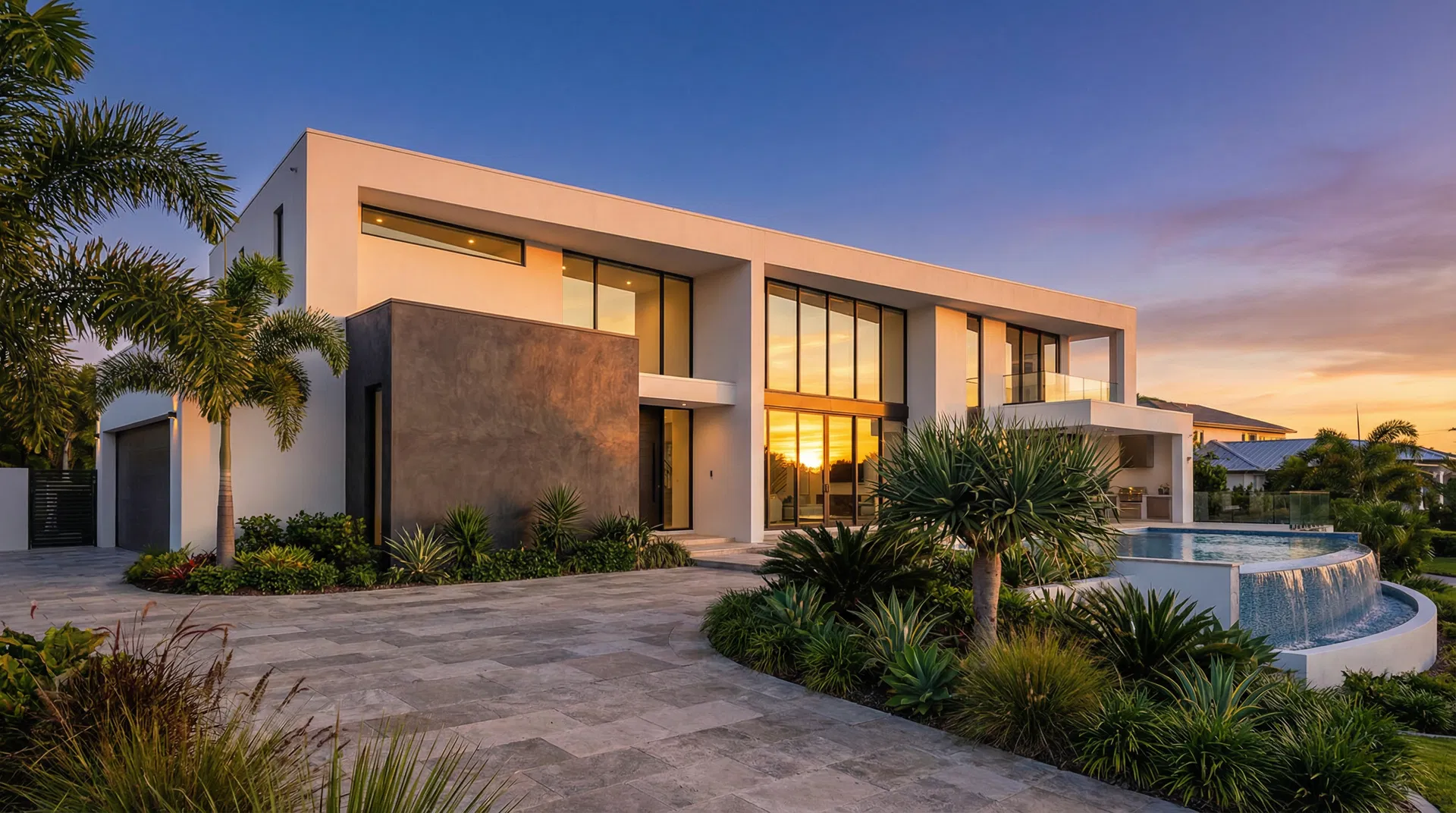
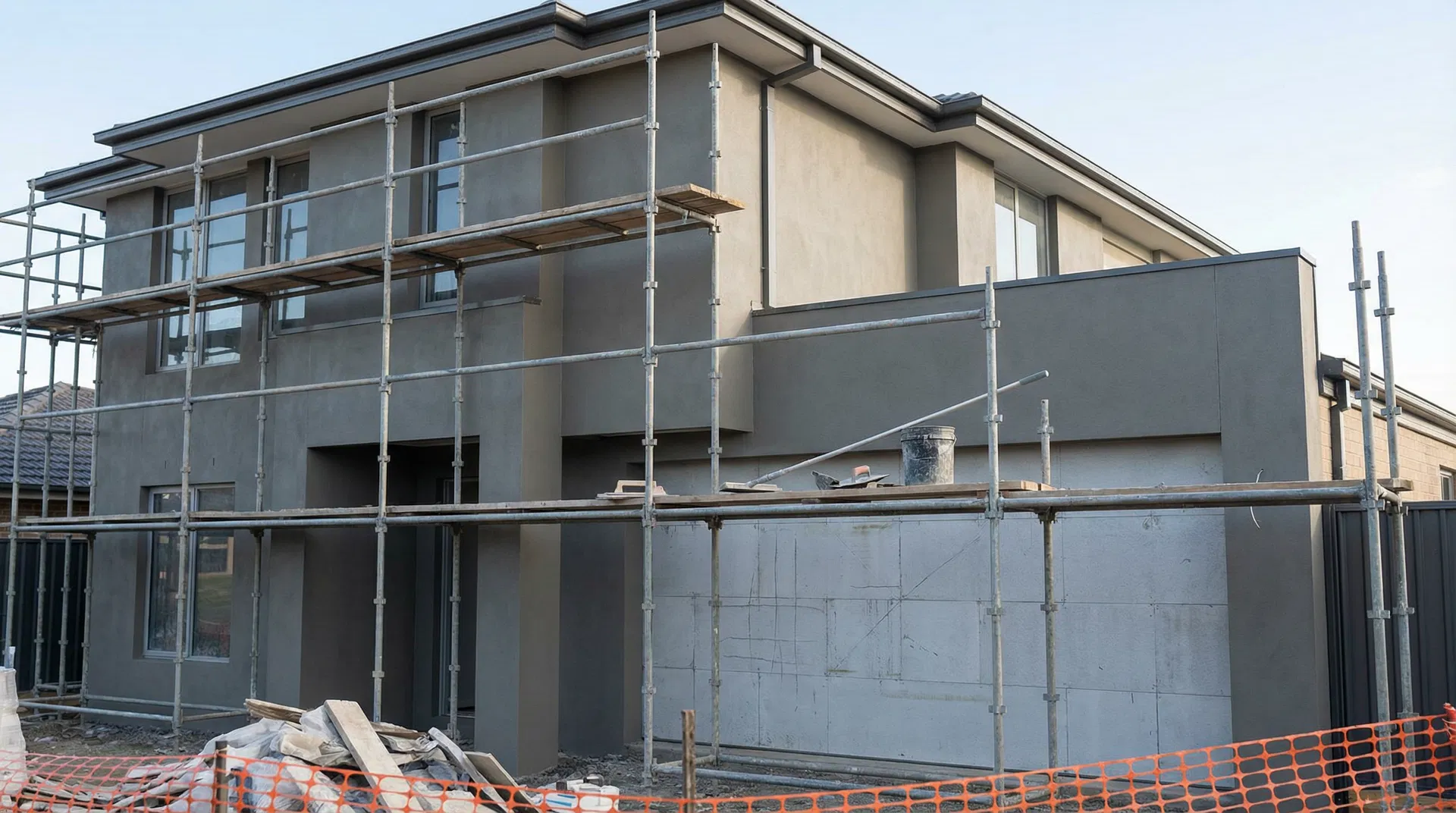
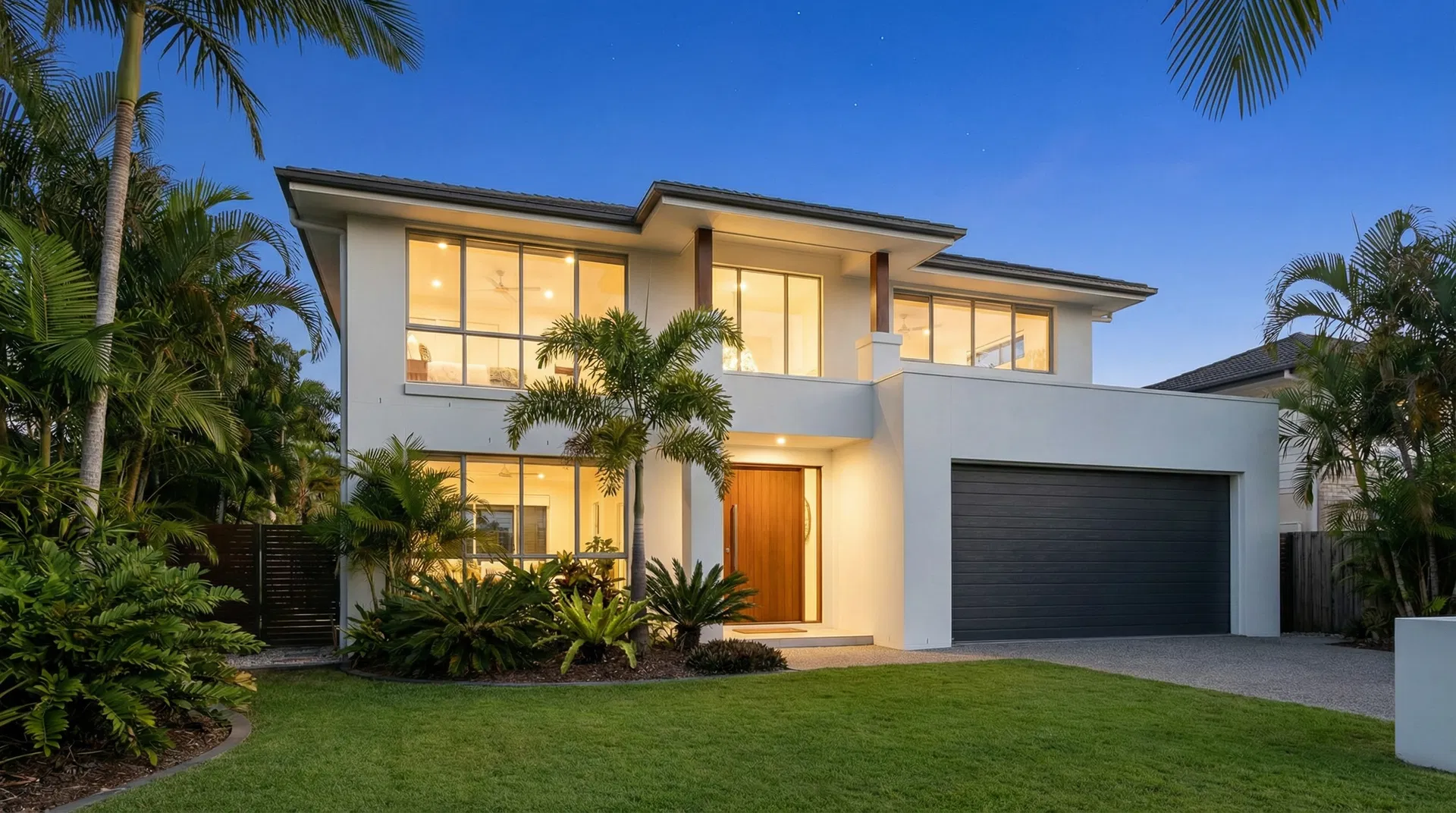
Acrylic render is a coating system applied over a substrate. That substrate might be brick, block, fibre cement sheet, Hebel or EPS. The render gives the wall its colour, texture and weather resistance.
So the real question is usually which substrate to use, and then which render system suits it.
EPS cladding
EPS cladding uses expanded polystyrene panels fixed to the building, then reinforced and rendered. It is very light and quick to install. It can be shaped into bands, reveals and other details.
EPS adds insulation to the wall. It suits designs where weight, speed and shape matter.
Hebel panels
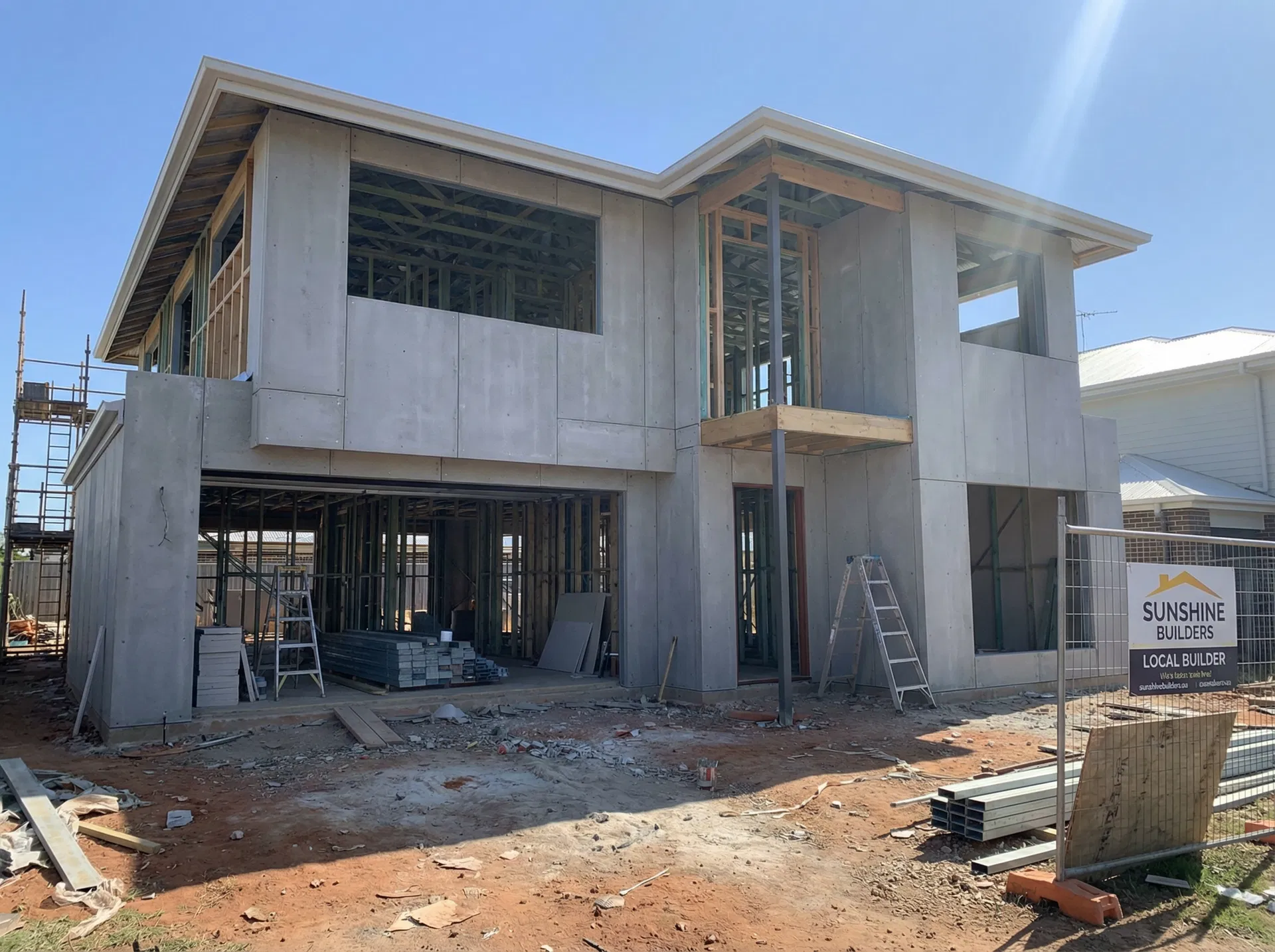
Hebel panels are made from autoclaved aerated concrete, a lightweight masonry material. They are fixed to the frame and then coated. The finished wall has a solid feel.
Hebel suits builders who want a masonry style wall without laying bricks. It also gives a hard surface that stands up to knocks.
Questions that help you choose
Work through these for each design:
- What look does the client want, and how much shaping is in the design
- Are there site conditions, such as bushfire exposure, that limit the options
- What does the energy efficiency assessment need from the walls
- How much weight can the structure carry
- What does the programme allow for each trade
- Which system does your certifier already have documentation for
The certifier's view on site specific conditions should come first. It can rule options in or out before cost is even discussed.
Mixing systems on one house
Many homes use more than one wall system. A common example is Hebel on the ground floor and a lightweight system on the upper floor. Mixed systems work well when the junctions are detailed properly.
Where two substrates meet, they move differently. The render needs a control joint or another detail at that line. Without one, a crack along the junction is likely. Show these junctions on the drawings so every trade knows where they are.
Cost and programme
Prices vary with the design, the access and the finish. Complex shapes, lots of openings and double storey scaffolding all add time. Ask for quotes that name the full system, including the finish, so they can be compared properly.
Detailing matters more than the choice
Any of these walls can perform well or badly. The difference is usually in the details at openings, corners, slab edges and control joints. A well detailed wall in a simpler system beats a poorly detailed wall in a premium one.
Talk to us early
Render King supplies and installs Hebel and EPS on residential and low-rise buildings, and applies the render systems that go over them. See our Hebel installation and EPS cladding pages.
Send the drawings through our project portal or call 0452 295 212, and we will price the job.