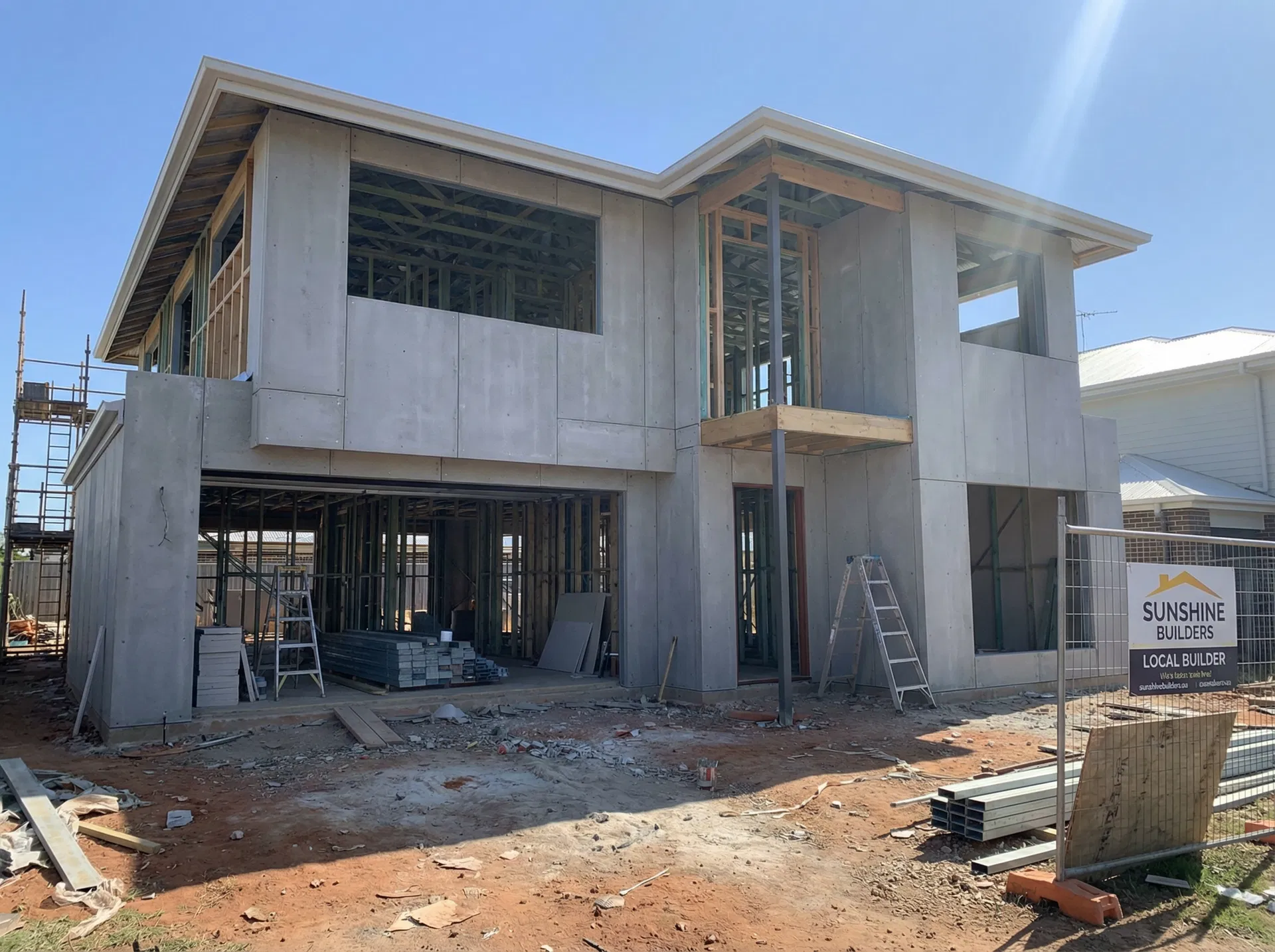
CodeMark Certificates and Lightweight Cladding
A CodeMark certificate is one way a building product can show it meets the National Construction Code. For lightweight cladding systems, it is a document worth reading closely, not just ticking off.
This guide covers what a certificate tells you and what to check before you rely on one.
What CodeMark is
CodeMark is a certification scheme overseen by the Australian Building Codes Board. Accredited certification bodies assess a product or system and issue a certificate. The certificate states that the product meets specified code requirements when it is used as described.
That last part is the one people skip. A certificate always has conditions.
What to check on a certificate
When a supplier gives you a CodeMark certificate for a cladding system, look at:
- Whether the certificate is current
- The exact product or system it covers, by name
- The building classes and uses it applies to
- The code requirements it covers
- The conditions and limitations of use
- The installation documents it refers to
If your building falls outside the scope, the certificate does not cover your situation. Your certifier will need other evidence.
Check the register
Certificates can be withdrawn or updated. Check the certificate against the current register rather than relying on an old PDF from a past job. The Australian Building Codes Board has information on the scheme and where to look.
Conditions of use in practice
Conditions often cover how the system is installed. That can include the substrate, the fixing method, detailing at openings and the coating system applied over it.
This is where the installer matters. The system has to be built the way the certificate and its referenced documents describe. Substituting a different mesh, base coat or finish can take the wall outside the certificate.
What we do on site
When we install a certified system, we work from the documents the certificate refers to. We use the specified components and keep delivery records and stage photos. If a site detail does not match the documents, we raise it with the builder before we cover it up.
Common gaps we see
These problems come up again and again on cladding jobs:
- A certificate for an older version of the system than the one supplied
- A building class or use that sits outside the certificate's scope
- A substitute mesh, adhesive or coating used because stock ran out
- No copy of the installation documents on site
- The certificate given to the certifier only at the end of the job
Each one is simple to prevent at the start. Each one can hold up final certification if it is found late.
The certifier has the final say
A CodeMark certificate is strong evidence, but your building certifier still decides whether it applies to your building. Share the certificate with the certifier early, while there is still time to change the design if needed.
Render King supplies and installs EPS cladding systems for residential and low-rise buildings. Read more on our EPS cladding page.
Send the drawings through our project portal or call 0452 295 212, and we will price the job.