How Long Rendering Takes on a Volume Home Site
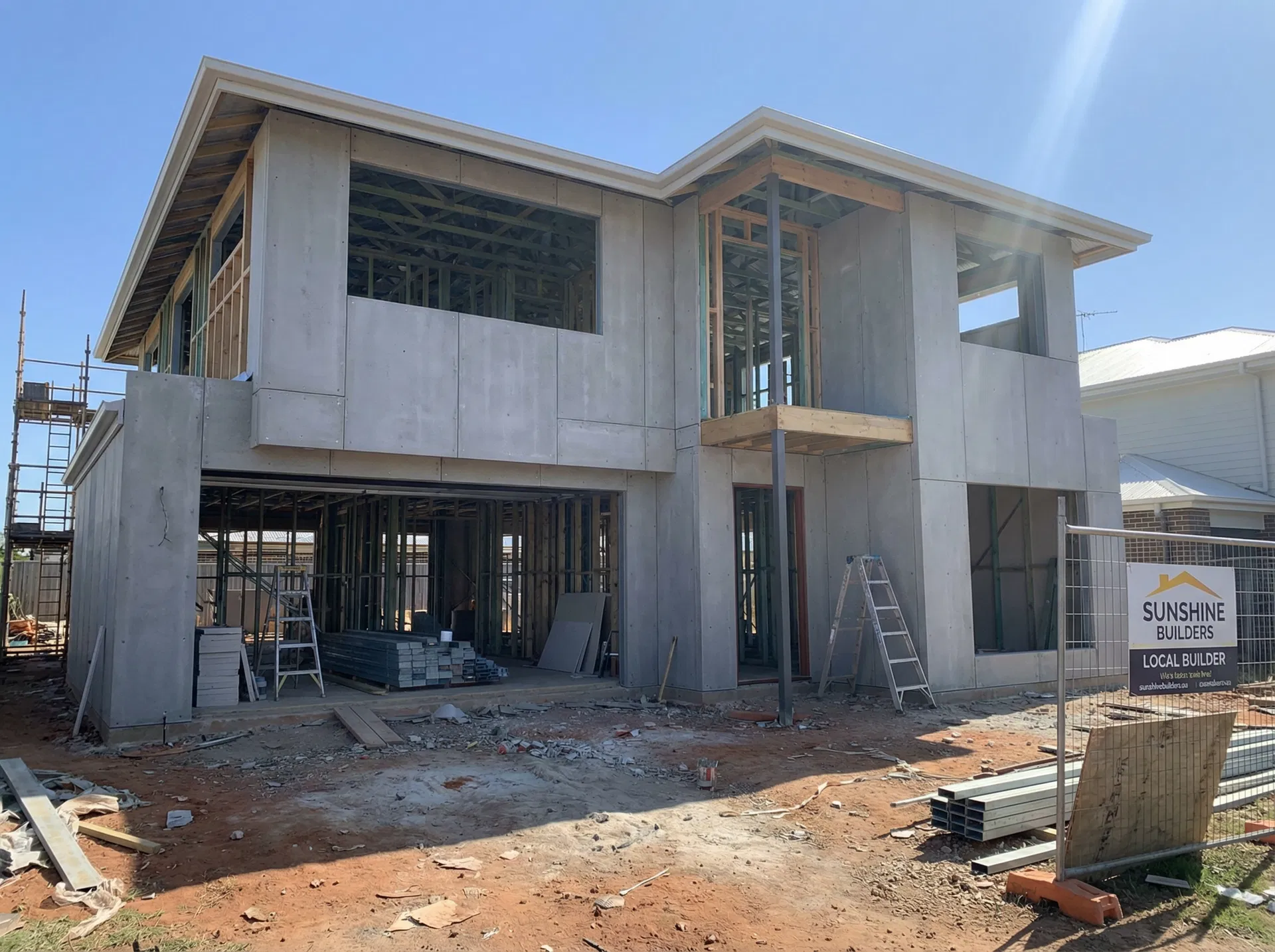
You know the drill. The phone buzzes: "Mate, renderers were meant to start Monday. Any idea where they are?" The brickies swore they'd finish and clean by Friday. Instead, you're staring at Hebel panels with bondcrete streaks, clouds overhead, and a pile of Dulux Acratex bags sitting by the skip. Everyone's asking: how long does rendering actually take, and what holds it up?
The answer's always simple until the job hits site. Here's what really sets the pace on a typical volume build, from frame check to handover. Miss a step and you'll be watching the scaffold as the days crawl by.
Stage One: Frame and Substrate Check (Day Zero Cut-Offs)
This is where disaster brews, not that anyone admits it until the cracks start. On a standard estate job in Springfield or North Lakes, you want the frame or substrate, whether CSR Hebel PowerPanelXL, EPS sheets, or old-fashioned brickwork, straight, braced and bone dry. If you try the undercoat before the panels are fixed off tight, that classic hairline running from window head to sill will be waiting for you a fortnight later.
Where does time disappear on this stage?
- Out-of-plumb or bowed framing after a rushed carpentry crew
- Moisture in the panels from a surprise shower
- Bondcrete, paint or screed on surfaces that should be clean
- Loose panels or missing fixings someone hoped the renderer wouldn't notice
It's not glamorous, but check every panel and every window return. Kick them. If there's any movement, call a halt. Nothing puts a hole in the schedule like hunting dodgy prep while half the wall's mid-coat.
Base Coat: The Core Work Everyone Talks About
This is the answer most tradies expect when asking how long rendering takes. Once the substrate's given the tick, it's straight into the base coat: a high-build acrylic render for Hebel or EPS, or a solid first coat for brick. A house lot in Ipswich, you're talking a couple of days, give or take, with site access and weather setting the pace. Here's the trick: letting every coat dry properly.
What drags this stage out?
- Cold, wet days, and Southport in winter will make you believe it
- Sun-baked black panels flashing off too quick, leading to crazing
- Chopped-up scaffolds or a crowd of other trades getting in the way
- Render bags left exposed when the delivery lands on the wrong morning
Watch the weather and keep the gear covered. If it's start of winter, don't trust the forecast. No one wants to hack off tacky render at daybreak.
Second Coat or Texture: The Finish That Can Haunt You
With the base coat set, it's texture time. This coat is what your client will squint at during handover. Whether it's a Dulux Acratex texture or something off the Rockcote chart, this stage is about nailing the specifics: the right finish and crisp cut-ins. For most homes, allow a couple more days, weather and wall area deciding the pace, and how picky the client is.
What holds this up?
- Walls drying unevenly: east face versus west
- Chasing a perfect trowel or roller finish when clients notice every mark
- Extras: a patch of external microcement as a feature, or an architectural profile you missed before the job
- Scaffold dropped before the finish coat's actually finished and checked under proper sunlight
Never call for the scaffold down until you've run your eye over every wall in harsh afternoon sun. What's invisible at 10am can scream in the late light, and then comes the call-back.
See more tips for keeping render on schedule in big developments here.
Clean Up and Detail: The Bit No One Budgets For
This is where the timeline can blow out just as you think you've won. The scrape, the sand, the final tweaks. Window reveals, sills, corners. There isn't a house in Logan that survives untouched by the downpipe crew, garage door boys or painter. If you managed the earlier steps, this is fast. If not, you'll pay for it in time and cost.
A tidy finish depends on:
- Painting and rendering in the right order, so you're not chasing returns or sills behind another trade
- Using a torch or proper site light to spot any misses
- Personally checking every detail if it's a new crew or subbie
Handover and Punch List: Where You Win or Lose Days
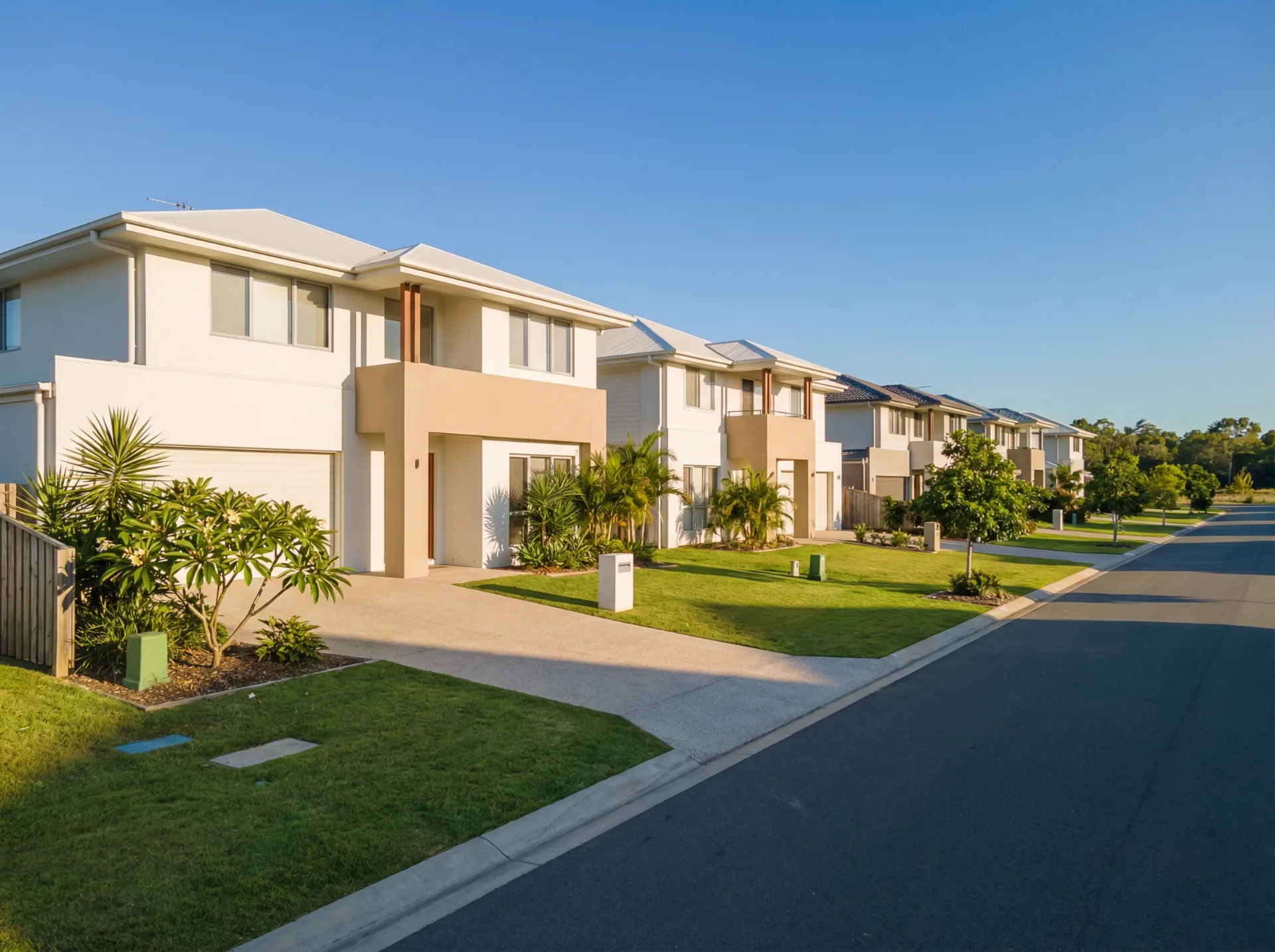
With the site clean and handover close, walk the job with clear eyes. Classics you'll spot: hairline cracks near downpipes or the meter box. Most post-handover headaches start here, from missed prep or cold, rushed coats.
Keep the handover tight:
- Walk every side, run your hand and torch over the finish
- If timing's tight, book small return visits instead of leaving it all to the end
- Stay in touch with your renderer so nothing's a surprise the morning of handover
What Decides How Long Rendering Takes
If you're still wondering, the answer's boring: it depends on site readiness and the number of delays. From proper prep to last coat, rendering a volume home is a few skilled days plus a handful of small holdups. The jobs that go fast have:
- Dead-straight, dry substrates ready to start
- Weather windows (and plans when there aren't)
- Trades lined up in a workable sequence
- Decisions made on any details before site day
If you can stay ahead of rain and unexpected extras, you'll hit your programme. One rogue detail or a downpour will double your site time fast.
For more ideas, see Keeping Render on Schedule on Brisbane Estates.
If you want the real answer for your next project, submit your plans or ring 0452 295 212 for a straight answer.