Acrylic Render vs Traditional Cement Render: What Brisbane Builders Need to Know
Two Systems, Very Different Outcomes
If you're specifying external wall finishes for residential construction in South-East Queensland, the choice between acrylic render and traditional cement render has real implications for programme, cost, and long-term performance. This article covers what you need to know.
Traditional Cement Render
Traditional cement render, sand and cement mixed on site, has been used in Australian construction for decades. It's a proven system, but it has limitations that matter in a volume building environment.
Application process: Cement render typically requires two or three coats applied over multiple days, with curing time between coats. In Queensland's climate, this can be unpredictable, too much heat accelerates drying and increases crack risk; too much moisture slows the process.
Crack resistance: Cement render is rigid. As a building moves through its normal settlement cycle, cement render can crack. Hairline cracking is common and, while often cosmetic, creates maintenance obligations and client callbacks.
Finish consistency: Achieving a consistent texture across a large facade with cement render depends heavily on the applicator's skill. On a volume programme with multiple crews, texture variation between lots is a real risk.
Cost: Material costs for cement render are lower than acrylic systems, but the labour component, multiple coats, longer cure times, higher defect rates, often closes the gap or reverses it.
Acrylic Render
Acrylic render systems, such as the Dulux Acratex range, use a polymer-modified base coat and a textured acrylic finish coat. They're the dominant system in South-East Queensland volume residential construction for good reason.
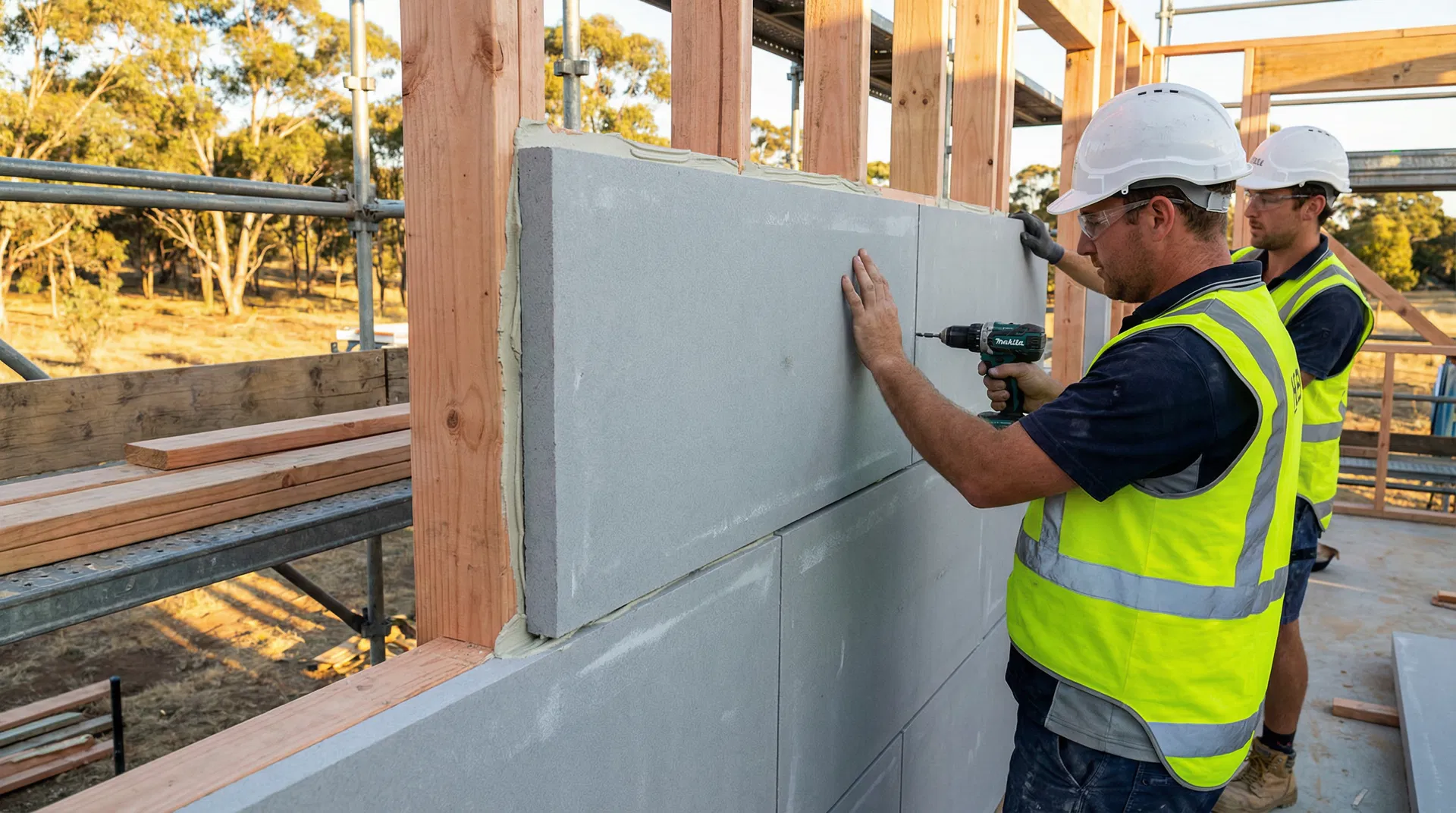
Application process: Acrylic render systems are typically a two-coat process. The base coat is applied, allowed to cure, and the texture coat follows. The process is faster and more predictable than cement render, which matters on a tight programme.
Crack resistance: The polymer content in acrylic render gives it flexibility. It moves with the building rather than cracking. This is a significant advantage in Queensland's climate, where thermal movement is substantial.
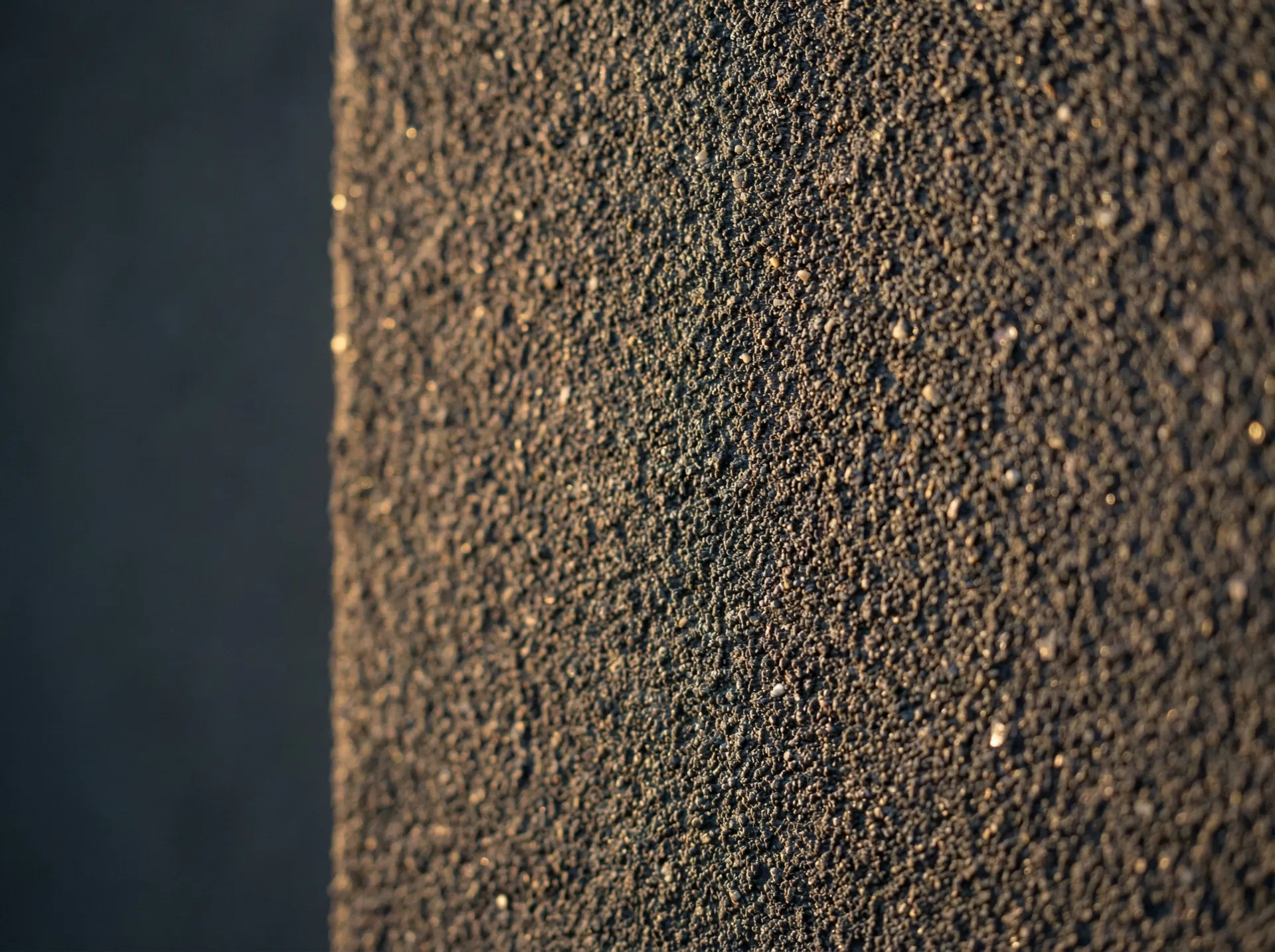
Finish consistency: Acrylic texture coats are factory-manufactured to a consistent specification. The same product applied by a trained crew produces the same result across every lot. This is critical for volume builders managing client expectations across a development.
Durability: Quality acrylic render systems carry manufacturer warranties and are designed to resist UV degradation, moisture ingress, and biological growth. In Queensland's subtropical climate, this matters.
Which System Is Right for Your Project?
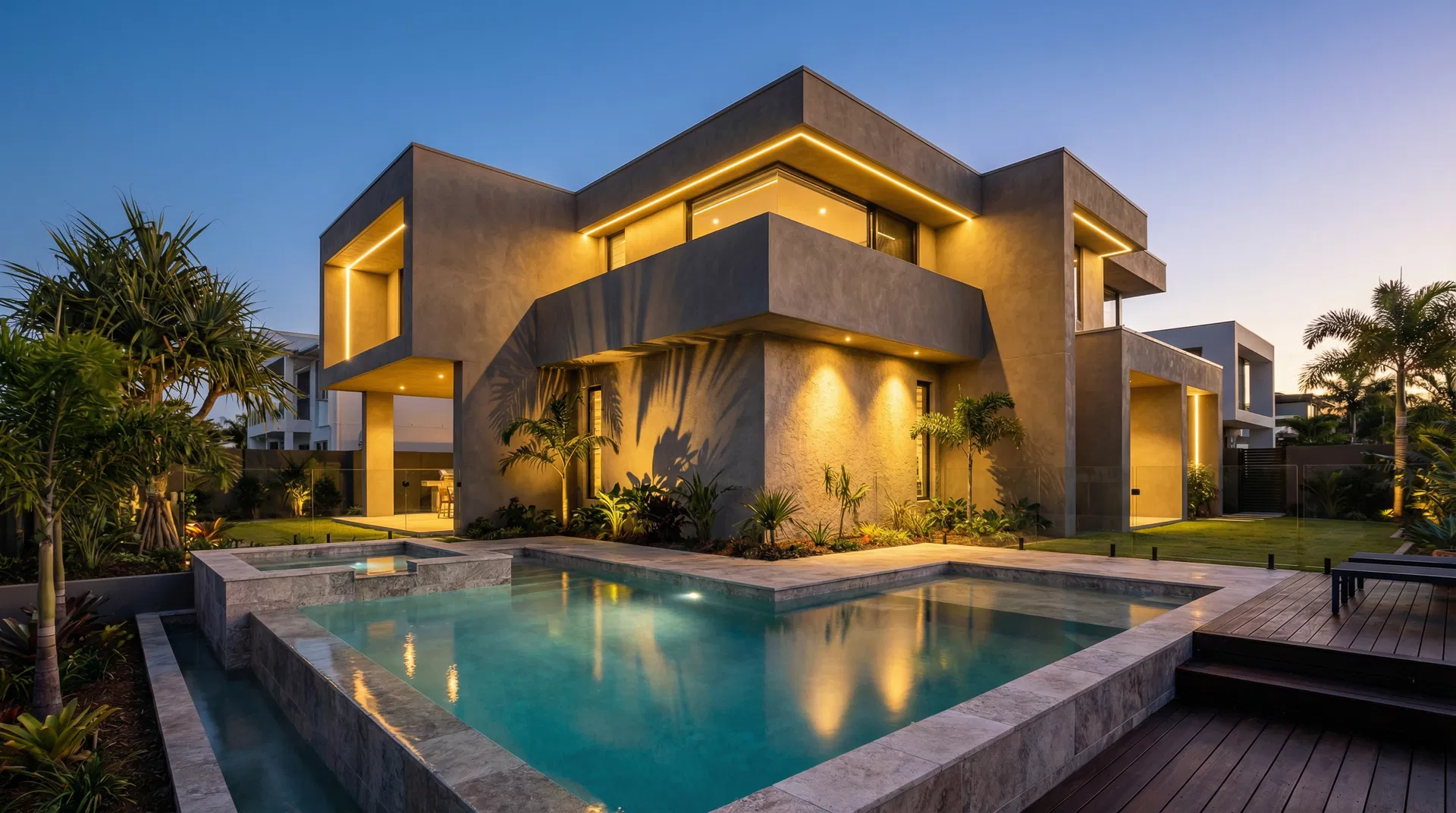
For volume residential construction in South-East Queensland, acrylic render is the standard for good reason. The combination of faster application, better crack resistance, finish consistency, and manufacturer warranty support makes it the lower-risk choice at scale.
Cement render still has applications, heritage work, specific architectural specifications, or projects where the client has a strong preference. But for a volume builder running a programme, the risk profile of cement render is higher than the cost saving justifies.
Render King is a Dulux Acratex-accredited applicator. All our acrylic render work is completed using Acratex-specified systems, which means manufacturer warranty support and a documented quality standard on every job.